Teaching and Learning
Hauraki School’s mission statement:
‘To provide excellent academic, sporting and cultural programmes in a safe and challenging learning environment that encourages all children to develop their unique potential’.
Hauraki School's mission involves the teaching of a balanced programme with an emphasis on English and Maths, but also Science, Social Science, Technology, P.E./Health, Te Reo, Visual Art, Music, Drama, and Dance.
A Learner Profile captures the skills and attitudes of how we want our year 6 students to be when they leave us.
Academic
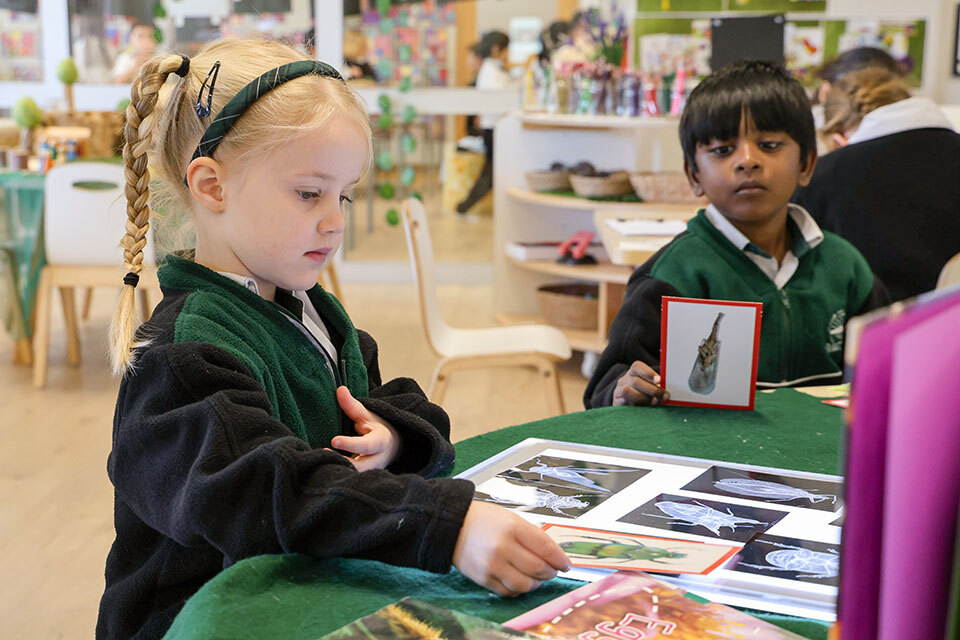
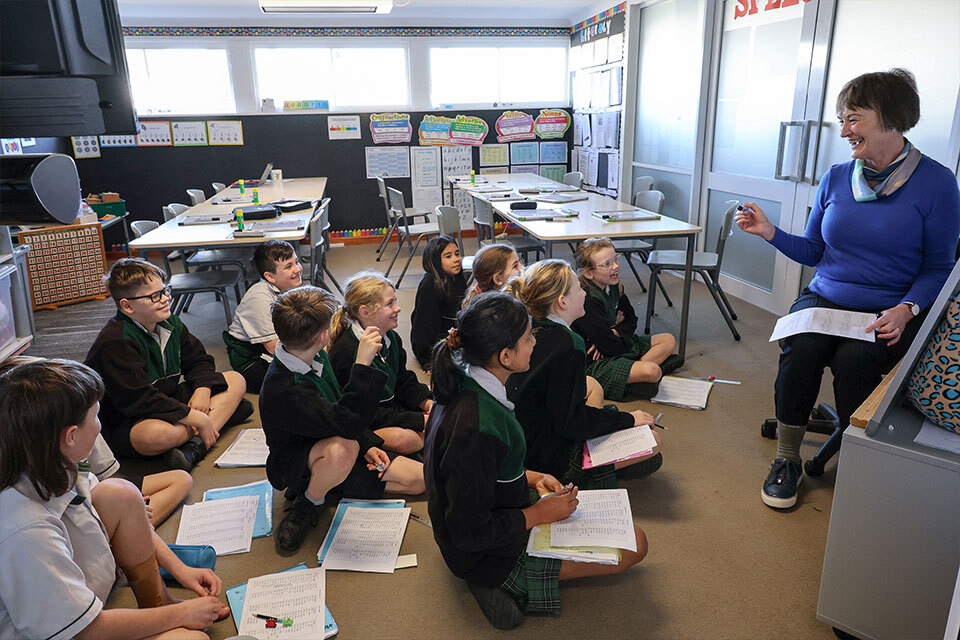
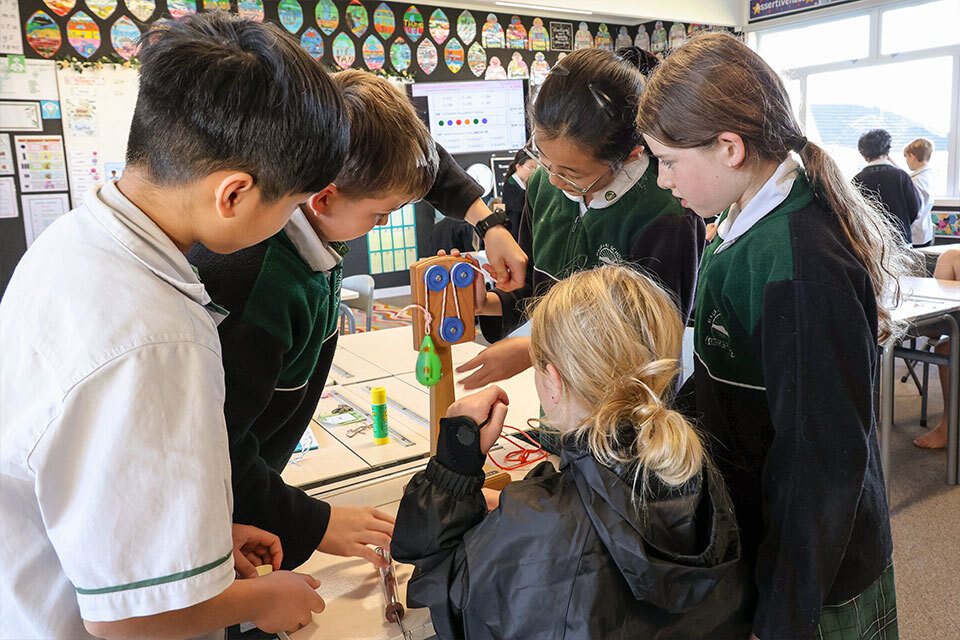
At Hauraki School it is ‘cool’ to work hard, excel, and enjoy the challenge of learning. Programmes are carefully planned so they are relevant, meaningful, and children are motivated to learn. We ensure we get the basics right and explicit teaching of each of reading, writing and maths takes place for an hour every day.
Various models of learning are applied at Hauraki School as described below.
The inquiry learning process for the teaching of most curricula provides a structure that enables students to learn how to learn with growing independence and equip them with the skills they need to take through life. They are taught to ask good questions, problem solve, think critically and creatively, make informed decisions, and be capable independent and co-operative learners.
Our inquiry-based approach to teaching and learning is aligned to the Reggio Emilia way of being with children. This focuses on the image of the child that values each student as strong, capable, full of wonder, and resilience. We embrace the hundred languages of learning meaning that students express their thoughts and feelings in many ways and play an active role in constructing understanding about the world around them. The importance of listening encourages our students and teachers to listen deeply. Documenting learning in a variety of ways, sharing student voice, encouraging collaboration all inform the future direction of learning with the ultimate goal of igniting a passion for learning.
Assessment for Learning strategies are central to teaching and learning so that teachers and students can determine where students are at with their learning, where they need to go, and how to get there best.


Another important strategy that promotes deep independent learning is SOLO (Structured overview of Learning Outcomes). This helps students better know themselves as learners by identifying the level they’re functioning at and what they need to do to progress.
Because individual development is important at Hauraki, special programmes feature for varying learning needs, strengths and interests. Extension programmes cater for students who may benefit from greater challenge and these are offered over blocks of time normally for Middle and Senior students. The nature of them coincides with identified needs with the emphasis tending to be on literacy and numeracy. There are opportunities for students to take part in competitions within the school and externally as well.
Extra learning support is provided by specialist teachers, teacher aides and visiting specialists with the aim of fulfilling potential in a positive and caring environment.
Digital Technology
Digital technology is very much part of Hauraki School’s education programme, but the mastery of handwriting skills and plenty of opportunity to practise these is also considered important and high standards of written presentation are expected at all levels. We ensure there is a balance between handwritten work and online discovery and exploration.
All students are provided with opportunities to grow their understanding of how digital technologies work through a specialist teacher. As well, Year 1-5 students have access to iPads and/or Chromebooks that are equipped with carefully selected apps for use at selected times during the week.
Students in year 6 complete much of their work on their own devices and are taught to be digitally capable thinkers, producers and creators. All BYOD devices must be Chromebooks (not full laptops with operating systems such as Windows or iOS). Chromebooks are easy to format, safer and as a general rule, they do not have any issues working on our network. Furthermore, all programmes we utilise are Chromebook-friendly. Regarding the specific Chromebook, we do not have a particular brand or model that we recommend.
- We recommend seeking devices with sturdy construction, long battery life (preferably 8 hours), and a minimum 12-month warranty.
- All Chromebooks must have a minimum screen size of 11.6 inches.
- All devices used at school must be in the English Language.
- In addition to full laptops, iPads or tablet-styled devices are not approved for use as a BYOD device.
- Devices should come to school each day fully charged.
- Devices will not be kept at school, so you should check your insurance policy regarding transportation, and we strongly suggest your child has a sleeve for their device.


If your child already has a Hauraki email address ending with (@hauraki.school.nz), they should use this as the administrator/primary account on their Chromebook. We strongly recommend that you refrain from setting parental controls on the device, as this can cause constant access issues at school and often render the device unusable. We have excellent filtering and monitoring capabilities to support online safety.
If your child does not have a Hauraki email address yet, we can set up the device in the first week of school.
A device will be provided for use at school for children whose families are unable to provide an approved BYOD.
If you have any questions, please get in touch with our IT leader, Gaea Ladley gaea@hauraki.school.nz
Digital safety is strongly promoted and periodic parent meetings help develop understanding of why this is important.